
If you’re planning to buy your next home in Murrieta, you’ve probably heard the old rule about saving 20% for your down payment.The truth is, you usually don’t have to. Plenty of loa...
Published March 13, 2020
5 Common Causes of Roof Leaks

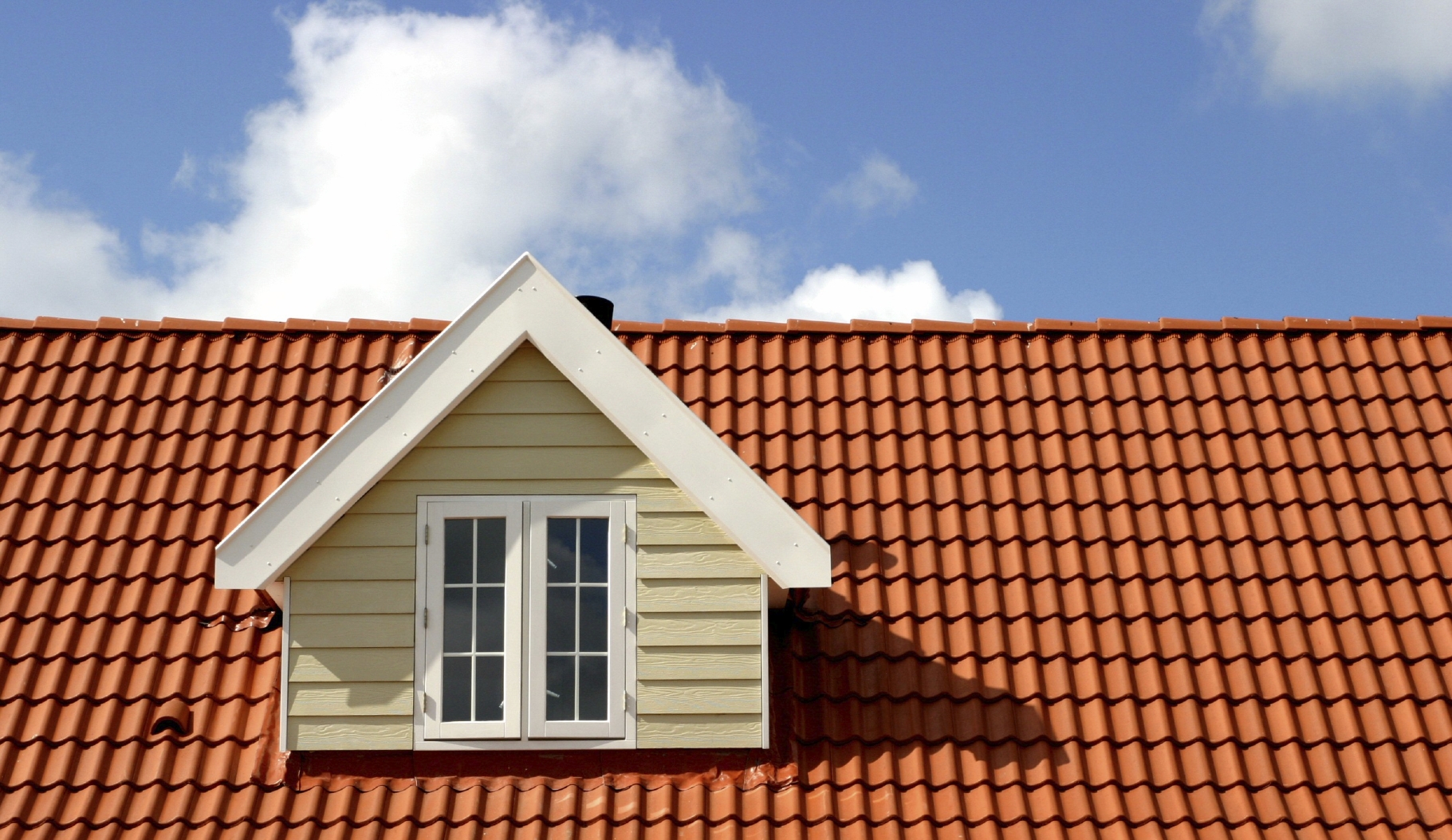
Selling dozens of homes each year, it is common to see a home inspection mention a roof leak or problem. Roof concerns can be scary and expensive, but it doesn’t have to be for proactive homeowners.
There are many tell-tale signs of an aging roof to look out for and address. Follow these simple steps for a long-lasting roof, providing years of protection.
Slipped Tiles
One common roof problem involves slipped tiles. This is where a barrel, or concrete, tile has moved or slid away from its original placement. When this happens, water can intrude and damage the felt underlayment. Sun can also erode and weaken the protective layer over time.
The best solution is to have a professional reset any slipped tiles and secure their location. Before doing so, though, check the underlayment for any damage.
Cracked Tiles
Water leaks on your roof can also be due to cracked and chipped tiles. Over time, they become brittle. Tiles may break when vendors walk on the roof. Branches can also hit a roof and chip away at these crucial surfaces, leading to water intrusion.
The function of roof tiles is to prevent any water from making its way to the underlayment. You want this protective layer to last for years to come. To continue that protection, an experienced roofer will skillfully remove any cracked tiles and source these tiles from a “boneyard” of old tiles. These yards offer reclaimed tiles that can be useful for tile color matching and replacement.
Often, your roofer will move these older tiles to a place that is less visible from the street and replace them with a better match where the roof tiles are easily viewed.
Clogged Valleys
If you live in an area with lots of trees, you may find that leaves, twigs, and other debris will collect on the roof and in the valleys where two parts of the roof line meet. When these valleys become clogged, it is possible that the rain water flow stops in these places. The standing water could then penetrate your underlayment, causing roof damage.
To prevent this from happening, you need to do a periodic cleaning to remove organic materials from the roof. Checking for debris once a year should be enough. However, with numerous trees surrounding your home, you may want to check the roof more frequently. A roofing expert can assist with this process as part of regular roof maintenance.
Cracked or Broken Flashings
In almost every home inspection report, there are signs of old flashings. These are typically cracked or failing flashings found around chimneys and other roof structures. The purpose of flashing is to divert water away from openings and allow it to take a normal path off the roof.
When a flashing is damaged or cracked, water will creep inside and sit on felt underlayment, which ultimately damages this protective layer and leads to roof leaks Water then seeps into your home and on to your wood layer. Over time, the water damage could cost thousands to repair. Be sure to ask your expert to seal all flashings and vents.
Fascia Damage
When you see dry, rotted wood around the facia of your home, this may indicate that water is coming from the roof and eroding the wood. This type of damage can lead to termites and will need to be addressed as soon as possible. All new facia boards should be sealed and painted for the longest lifespan possible.
The best way to prevent damage is to install rain gutters. When water runs off the roof, it can be quickly diverted away from your home, protecting expensive facia from damage. Be sure to regularly clear any rain gutters of any organic debris for best performance.
If you or someone you know is in need of advice and guidance on trusted roof vendors to help you with these issues, contact us at Jones Realty Group at www.jonesrealtysocal.com or call 951-970-4771.